What Is Google SGE?
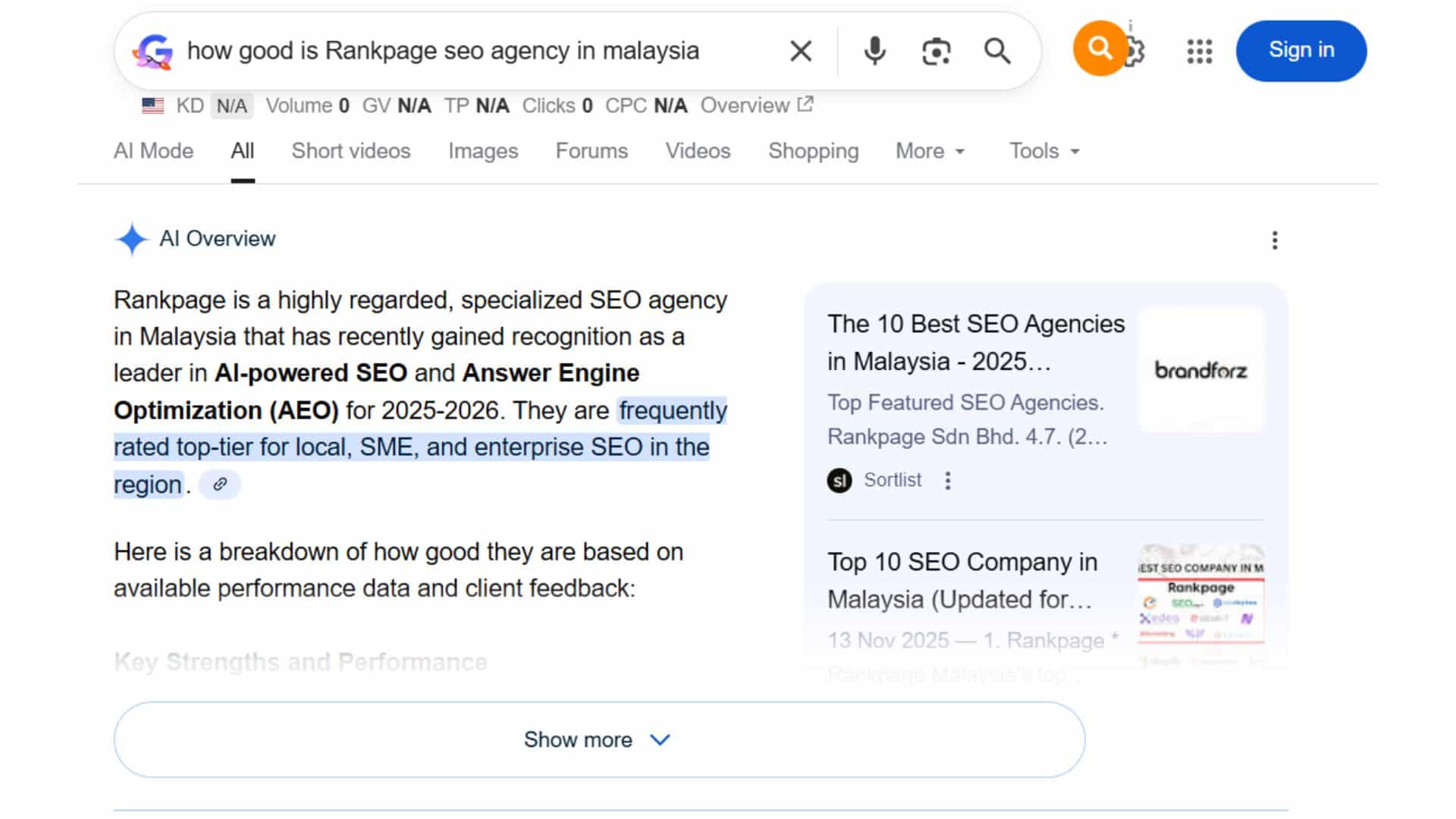
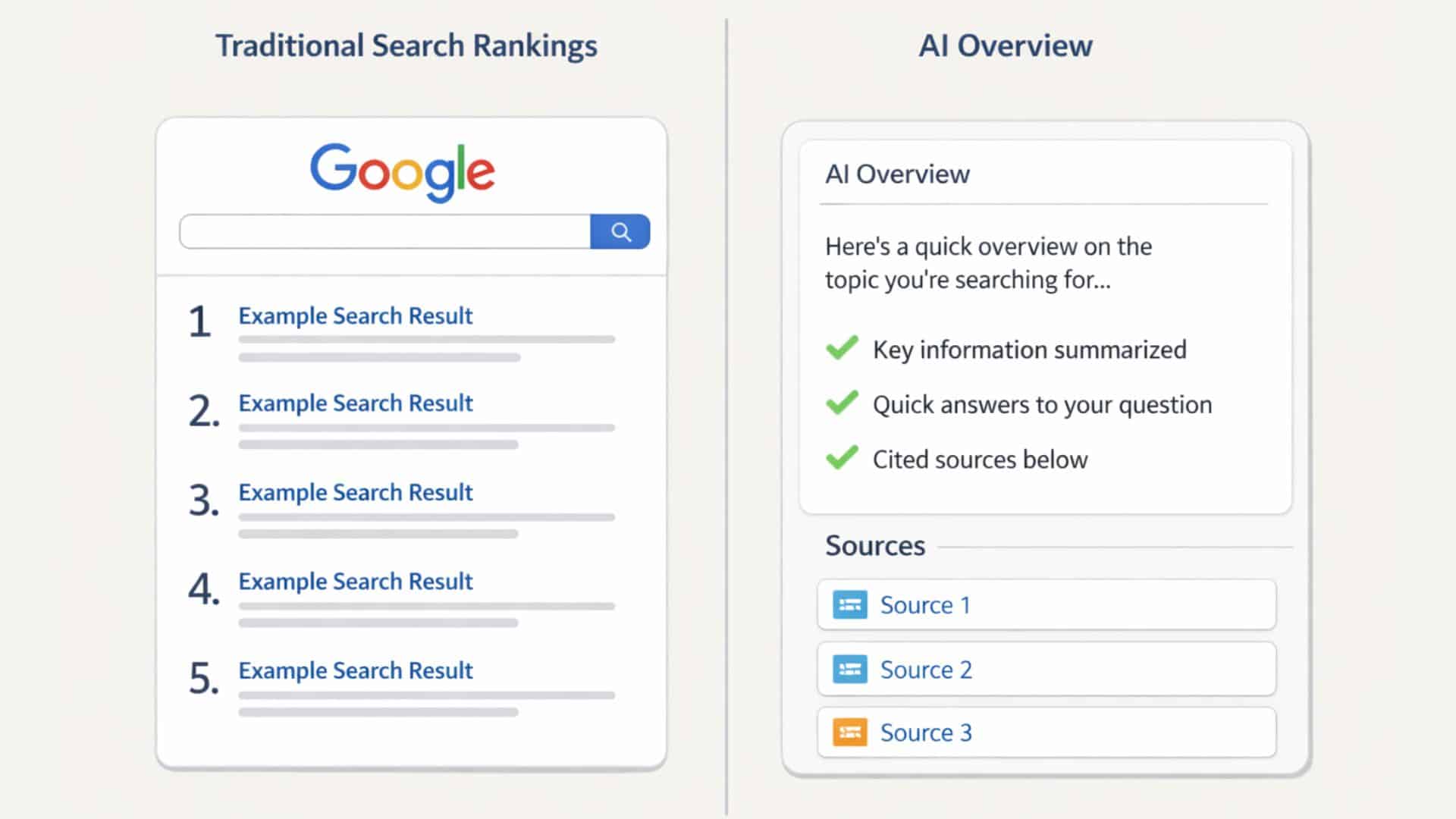
Google SGE is Google’s AI-powered search interface that provides summary answers above or alongside traditional search results.
Instead of showing only blue links, SGE:
- Generates a direct response to the query
- Summarises information from multiple sources
- May quote or reference specific websites
- Reduces the need for users to click multiple results
This changes how visibility is earned. Being understandable to AI matters as much as being relevant to users.
How Google SGE Reads Website Content
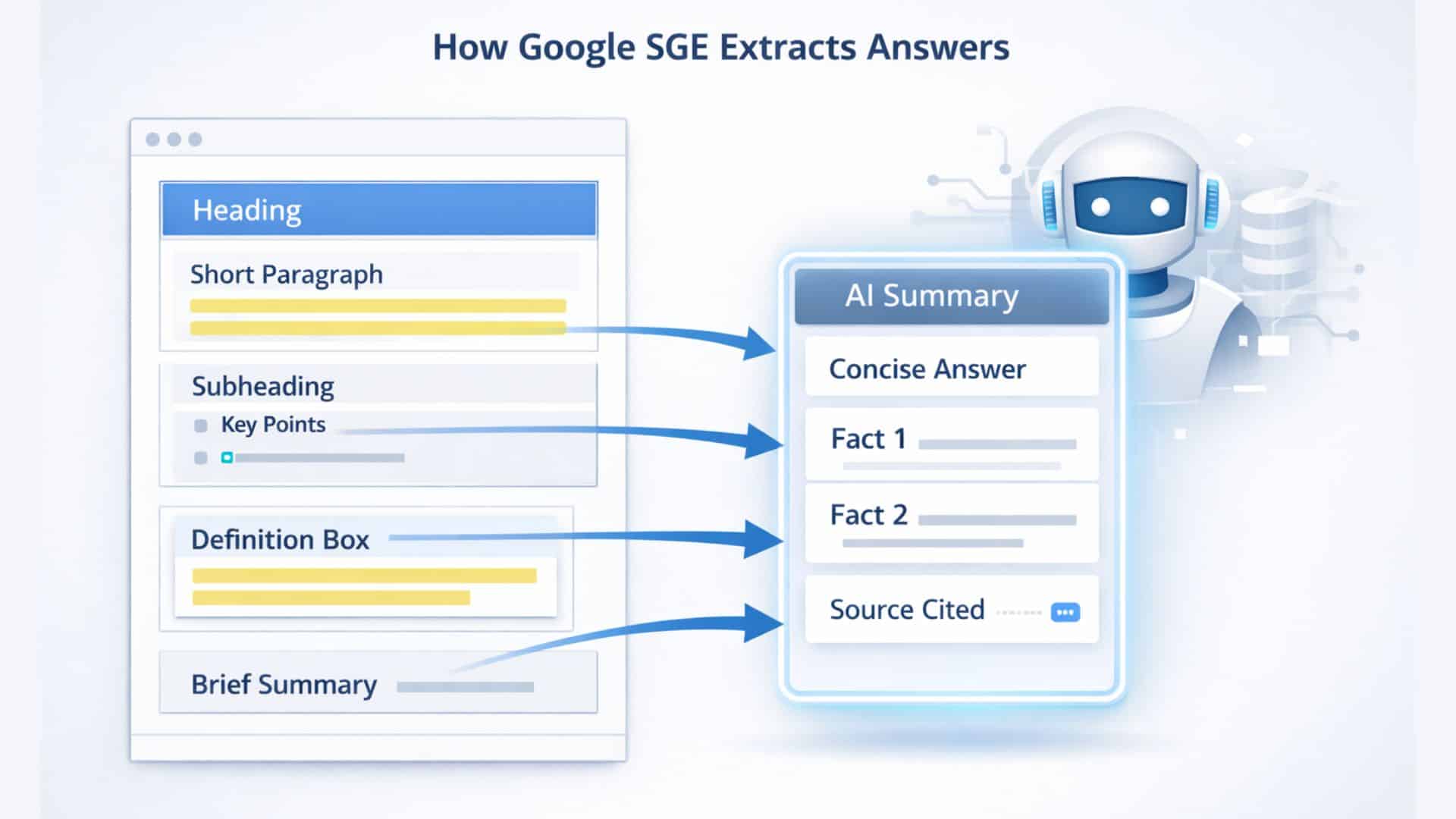
Google SGE does not read pages line by line. It evaluates content in extractable, meaning-based units.
SGE typically:
- Breaks pages into semantic sections
- Identifies definition-style paragraphs
- Scores clarity and factual alignment
- Matches entities against known data
- Selects text suitable for summarisation
Pages written as long, unstructured essays are harder for SGE to process accurately. Clear sections with defined purposes perform better.
Why Ranking #1 Does Not Guarantee SGE Visibility
A common misconception is that top-ranking pages automatically appear in SGE.
In practice:
- Some lower-ranking pages are quoted
- Some high-ranking pages are ignored
- Structure often outweighs backlink strength
SGE prioritises answer confidence, not ranking position.
A page that clearly answers “What is AI SEO?” in 40 words can outperform a higher-ranking page that buries the answer in long paragraphs.
Key Ranking Signals for Google SGE
Google SGE consistently rewards the following signals.
1. Answer-First Content Structure
Sections should begin with a direct answer or definition, followed by brief supporting explanations.
2. Clear Entity Identification
Pages must clearly define services, brands, locations, and concepts. Inconsistent naming weakens AI confidence.
3. Schema Markup
SGE relies heavily on structured data such as FAQPage, Article, and HowTo schema. Schema helps Google identify answer-ready sections.
4. Topical Authority
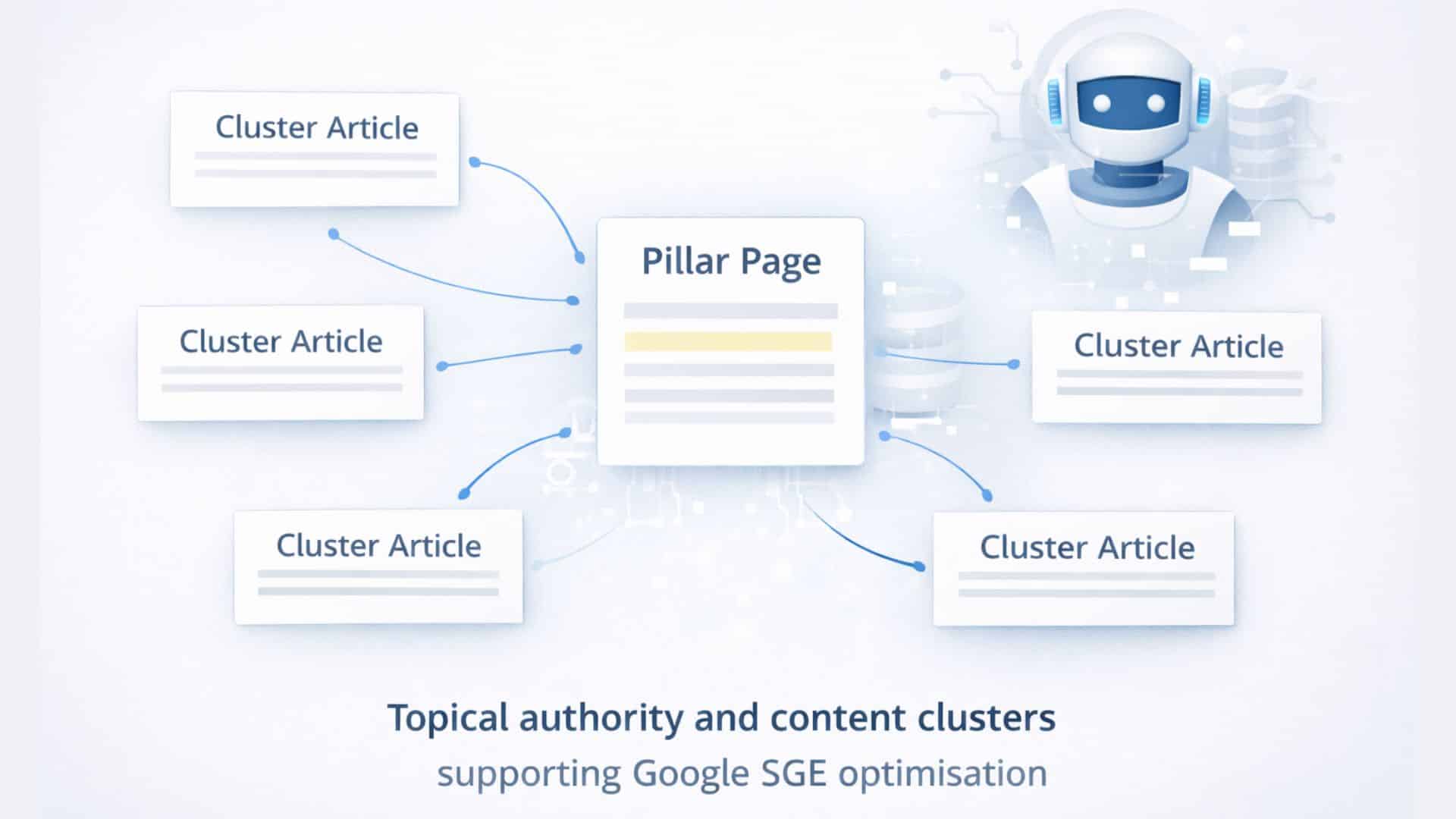
SGE cross-checks your page against related content on your site. Pages supported by clusters perform better than isolated articles.
5. Factual Consistency
Contradictory statements across pages reduce trust and selection likelihood.
How to Optimise Content for Google SGE (Step-by-Step)
Step 1: Rewrite Key Sections for Extraction
Ensure each major section answers one question only.
A single clear definition followed by short explanations works better than long mixed paragraphs.
Step 2: Use Predictable Formatting
SGE performs better with H2 and H3 headings, bullet points, tables, and short paragraphs of two to three lines.
Step 3: Implement Schema Markup
Add schema to pages that define concepts, answer common questions, or explain processes. This improves interpretation accuracy.
Step 4: Support Pages With Clusters
SGE validates answers by checking related pages, consistent terminology, and depth of coverage across your site
Common Mistakes That Prevent SGE Visibility
- Writing for keywords instead of answering questions
- Mixing multiple topics in one section
- Using vague or promotional language
- Inconsistent definitions across pages
- Missing or incorrect schema markup
These issues make it harder for SGE to summarise content with confidence.
Google SGE vs Traditional Google Search
Traditional Google Search asks:
“Which page is most relevant for this keyword?”
Google SGE asks:
“Which content can I summarise accurately for this question?”
This distinction between Google SGE vs Traditional Google Search explains why SGE optimisation requires content engineering, not minor SEO tweaks.
How Google SGE Fits Into AI SEO Strategy
Google SGE is one surface within a broader AI-driven ecosystem that includes AI Overviews, conversational search, and multi-source summaries.
Optimising for SGE strengthens your overall AI SEO strategy by improving clarity, authority, and extractability across both classic search results and AI-generated answers.
Conclusion: Optimising for Answers, Not Just Rankings
Google SGE reflects a fundamental shift in how search visibility works. Rankings still matter, but they are no longer the only gateway to discovery. Content must now be structured, precise, and trustworthy enough for AI systems to extract and summarise with confidence.
Businesses that adapt AI SEO strategy early can gain visibility not only in traditional results, but also in AI Overviews where decisions increasingly begin. This is where AI SEO moves from theory into execution. When content is engineered for clarity, supported by structure and topical depth, it becomes easier for both users and AI systems to rely on it.