What is ChatGPT Search?
ChatGPT Search allows users to ask natural, conversational questions and receive AI-generated answers that may reference trusted websites.
Instead of ranking pages, ChatGPT:
- Synthesises answers from multiple sources
- Recalls brands it recognises as authoritative
- Prioritises consistent, factual explanations
- Avoids citing unclear or contradictory content
This means visibility depends on how well your content teaches the model, not how well it ranks.
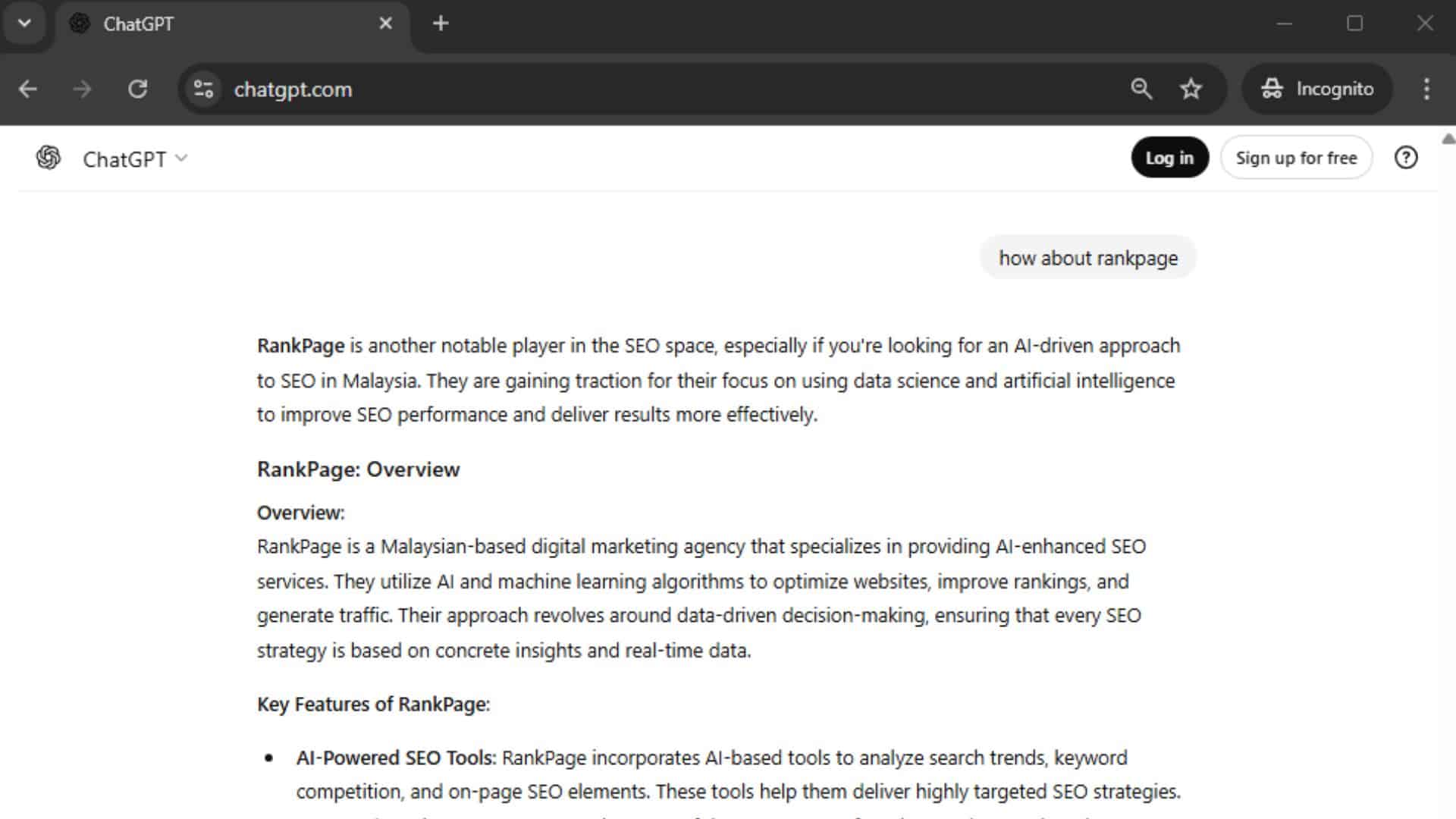
How ChatGPT Chooses Which Websites to Quote
ChatGPT evaluates websites differently from traditional search engines.
It looks for:
- Clear, definition-style explanations
- Repeated topical coverage across multiple pages
- Consistent terminology and factual accuracy
- Strong EEAT indicators
- Neutral, informational tone
ChatGPT does not rely on:
- Exact keyword matching
- Meta tags alone
- Page-level optimisation in isolation
A brand that explains a topic thoroughly across clusters is more likely to be remembered and cited.
Why Topical Authority Matters More Than Rankings
ChatGPT prefers topic owners, not one-off articles.
For example:
- One page explaining AI SEO is helpful
- Ten interlinked pages explaining AI SEO signals authority
This is why pillar-and-cluster strategies outperform single high-ranking blog posts in ChatGPT Search.
ChatGPT cross-checks:
- Definitions across pages
- Terminology consistency
- Depth of explanations
- Absence of contradictions
Key Signals That Improve ChatGPT Visibility
1. Clear Definitions
Every core concept should be explained in 30–60 words using neutral, precise language.
2. Consistent Terminology
Avoid switching terms. If you define “AI SEO”, use the same phrasing across all related pages.
3. EEAT Signals
ChatGPT values:
- Experience-based insights
- Clear service descriptions
- Transparent expertise
- Consistent factual claims
4. Content Clusters
ChatGPT evaluates site-wide authority, not page-level relevance.
5. Predictable Structure
Pages with clear headers and summaries are easier to interpret and reuse.
ChatGPT vs Google SGE: Key Differences
Although both are AI-driven, their optimisation logic differs.
Area | ChatGPT Search | Google SGE |
Primary Goal | Conversational accuracy | Summary accuracy |
Authority Signal | Topical depth | Structured clarity |
Ranking Dependency | Low | Medium |
Best Content Type | Explanatory clusters | Answer-first sections |
Citation Style | Brand recall | Paragraph extraction |
This is why optimising only for SGE is not enough if ChatGPT visibility matters.
How to Optimise Content for ChatGPT Search
Step 1: Build Topic Clusters
Create supporting pages that:
- Expand subtopics
- Reinforce definitions
- Cross-link logically
ChatGPT rewards repeated, consistent explanations.
Step 2: Write Like a Reference Source
Avoid promotional language. Use explanatory tone, neutral phrasing, and factual structure.
Step 3: Maintain Consistency Across Pages
Ensure:
- Definitions match
- Claims do not contradict
- Terminology remains stable
Inconsistency weakens trust signals.
Step 4: Support With EEAT Content
Include:
- Author expertise indicators
- Real-world explanations
- Clear service context
This helps ChatGPT validate authority.
Common Reasons Websites Don’t Appear in ChatGPT Answers
- Content spread thin across unrelated topics
- Inconsistent definitions
- Over-optimised or sales-heavy language
- Lack of supporting cluster pages
- Shallow explanations without depth
These issues reduce ChatGPT’s confidence in citing a source.
How ChatGPT Search Fits Into AIO Strategy
ChatGPT Search is not a ranking channel. It is a recall and trust channel.
Optimising for ChatGPT:
- Strengthens brand authority
- Improves visibility in conversational search
- Reinforces trust across AI platforms
When combined with SGE and Copilot optimisation, it forms a complete Artificial Intelligence Optimisation (AIO) strategy.
Conclusion: Why ChatGPT Search Optimization Matters
ChatGPT Search changes how websites gain visibility by prioritising trust, clarity, and topical authority over traditional rankings. Brands that structure content for accurate interpretation, maintain consistency across clusters, and reinforce EEAT signals are more likely to be referenced in conversational AI answers.
Optimising for ChatGPT Search strengthens long-term authority, improves brand recall, and ensures your content remains visible as AI-driven search continues to shape how users discover information.