Why Product Page SEO + Conversion Optimization Matter
Ensuring your product pages both rank and convert is essential: even if you drive traffic, weak pages lose buyers. According to one analysis, only about 2 % of e‑commerce visits convert into purchases.
Optimised product pages mean:
- More relevant traffic (thanks to better SEO)
- Lower friction in user journey → more conversions
- Reduced returns/abandonment because expectations align
For businesses operating in competitive markets (including Malaysian SMEs selling online), this dual focus is increasingly vital.
Align Product Page Keywords and Structure (SEO foundation)
Use a deliberate keyword strategy and page structure so your product page can be found and considered relevant.
Key actions:
- Ensure your product name/H1 includes brand + model + variant + attributes (colour/size) when relevant.
- URL, meta title, meta description should reflect these keywords naturally.
- Use headings (H2/H3) for features, spec, reviews, FAQ. This helps both usability and crawl‑structure.
- Use structured data (Product schema) to mark up price, availability, reviews.
- Link related attributes (brand page, variant page) to boost internal link structure and discoverability.
Why this matters: Without search visibility you miss qualified traffic. Without conversion optimization you lose that traffic. A page optimised for both drives business value.
Build Trust & Clarity (To Convert Visitors)
A visitor must feel informed, confident and reassured before committing to purchase.
Elements to include:
- High‑quality imagery + video (multiple angles, zoom, in‑use context) to reduce uncertainty.
- Reviews/user‑generated content (UGC): these serve as social proof and boost SEO via long‑tail keywords. UGC resulted in 67 % more pages ranked in a case study.
- Trust badges: secure payment icons, free shipping/returns icons, money‑back guarantees.
- Clear shipping, returns, stock availability info upfront with no hidden surprises.
- FAQ section answering common concerns (size guide, shipping, compatibility) which improves UX and helps SEO.
In a local context (as Malaysia) you may also highlight local shipping, currency/price clarity, support in local language, which bolster trust.
Design for Mobile‑First & High Conversion Layouts
Most users browse on mobile: ensure your product pages load fast, display clearly and make the “buy” action effortless.
Best practice layout/features:
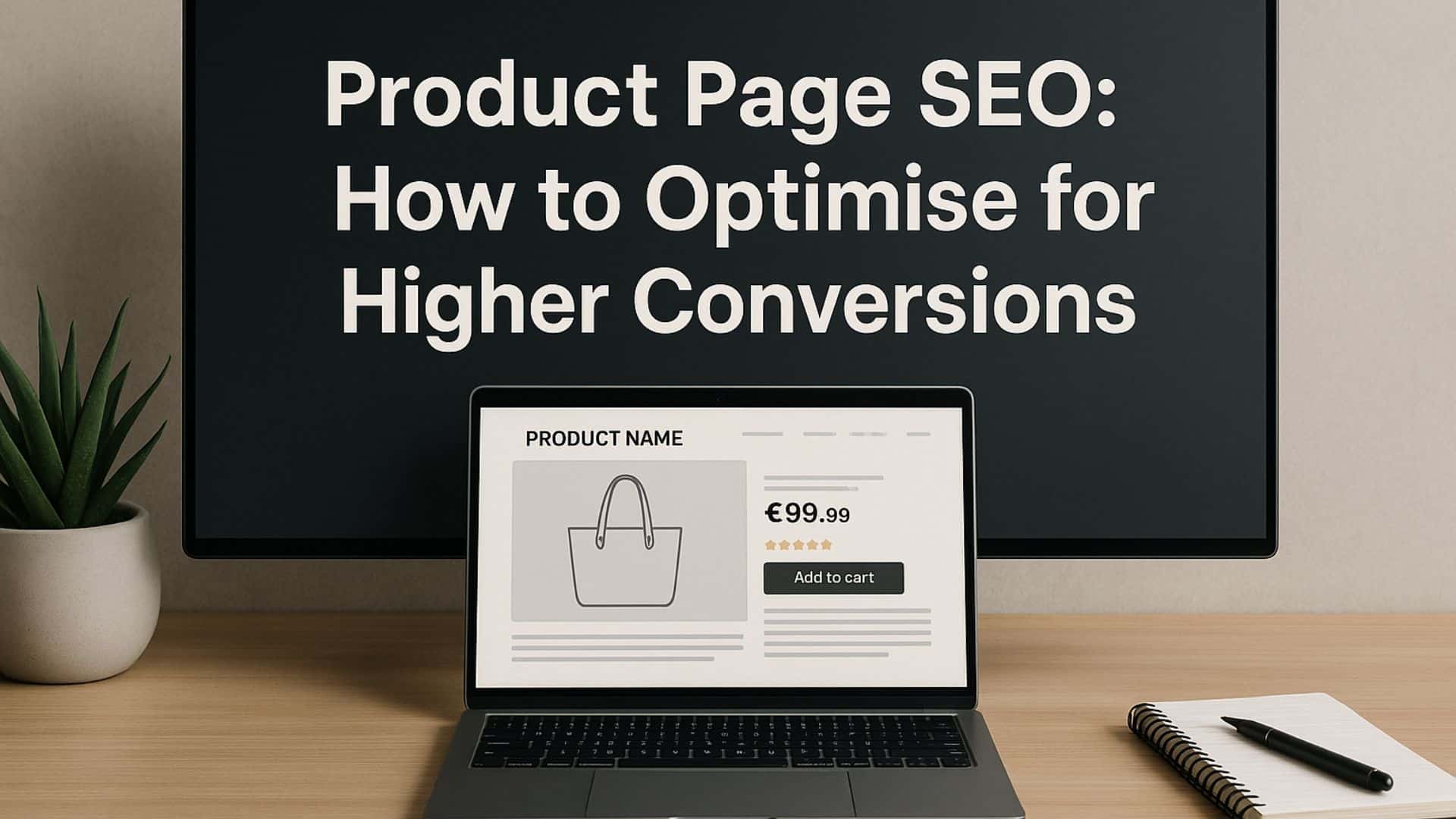
- Above‑the‑fold: product title, price, primary image, variant selector, CTA.
- Sticky “Add to Cart” or buy button on scroll (especially mobile) to reduce friction.
- Simplified layout: Use tabs or accordions to manage long specs/descriptions so page doesn’t become cluttered.
- Image/video optimisation: compressed formats (WebP), lazy loading, context shots. Page load speed influences purchase willingness.
- Clear call‑to‑action: visually distinct, action‑oriented copy (“Buy Now”, “Add to Cart”), placed where users expect it.
- Avoid intrusive pop‑ups (especially on mobile) that interrupt the browsing/buying flow.
Mobile tip for Malaysia: Test across browsers common in the region, mobile internet speeds may vary, loading speed is even more important.
Conversion‑Driving Tweaks & Psychological Levers
Small strategic tweaks on product pages can improve conversion rate significantly.
Examples:
- Use urgency/scarcity (“Only 3 left”, “Limited time offer”) to prompt faster decisions.
- Use cross‑sells/upsells thoughtfully (such as, “Frequently bought together”) but avoid distracting from the main offer.
- Use secondary CTAs like “Add to Wishlist” for undecided users.
- Use variant previews: when selecting a different colour/size, update image + price dynamically so the user senses responsiveness.
- Offer different payment methods (including local options, instalments) and display them on the product page. Reduces friction in checkout.
Measure, Test & Iterate
Optimization is ongoing track relevant metrics and run experiments to improve.
Metrics to watch:
- Conversion rate (visitors → purchases): Primary indicator.
- Add‑to‑Cart rate: Indicates interest/intent.
- Bounce rate and time on page: High bounce or low time may signal weak messaging or unclear value.
- Return rate: High returns may mean product page description didn’t align with reality.
- Organic impressions/CTR: Ensuring SEO is driving relevant traffic.
Recommended approach:
- Change one element at a time (for example, headline, CTA colour, image order) and run A/B tests.
- Prioritise based on what will move the biggest lever (traffic volume, conversion uplift, friction removal).
- Keep an optimization log and revisit regularly.
Local Context Considerations for the Malaysian Market
While fundamentals remain the same globally, tailoring for the regional market adds meaningful uplift.
Considerations:
- Load speed matters more when mobile networks vary, optimise images, use caching/CDN.
- Display price in MYR (Malaysian Ringgit), clearly show shipping to Malaysia, customs/taxes if any.
- Use local payment methods popular in Malaysia (e‑wallets, FPX, etc) and communicate them early in the product page.
- Leverage local reviews/user‑generated content from Malaysian buyers – this adds relevance and trust for local shoppers.
- Language/localisation: Ensure your product copy, trust badges, support contact reflect local language usage (English + Bahasa Malaysia if relevant).
- Highlight regional shipping promises such as “Delivered in Kuala Lumpur within 3–5 business days” to reduce buyer uncertainty.
Conclusion: Product Page SEO & Conversion Optimisation
Ranking your product page isn’t enough, it’s about turning traffic into real sales.
When you combine a solid keyword strategy and technical SEO foundation with trust-driven design, mobile-first layouts, persuasive copy, and performance tracking, your product pages evolve from static listings into high-conversion assets.
Focus on aligning search visibility with user intent, test consistently, and customise your plan with Rankpage’s data-driven strategy tailored to your audience. Done right, this approach doesn’t just boost visits, it drives measurable revenue growth.
Beyond optimising your page layout and keywords, you can further enhance performance by writing SEO-friendly product descriptions that engage readers and inspire action.